






















We are a premium maternity and baby store focused on enhancing the parenting journey. We offer expert advice and a curated selection of products designed to support and inspire families at every stage.
BOTTLE FEEDING

Shop our BOTTLE FEEDING products below
5
4 / 5.0total reviews: (4)
5
6 / 5.0total reviews: (6)
5
2 / 5.0total reviews: (2)
5
1 / 5.0total reviews: (1)
5
1 / 5.0total reviews: (1)
5
1 / 5.0total reviews: (1)
5
1 / 5.0total reviews: (1)
5
2 / 5.0total reviews: (2)
5
2 / 5.0total reviews: (2)
0
0 / total reviews: ()
0
0 / total reviews: ()
0
0 / total reviews: ()
5
2 / 5.0total reviews: (2)
0
0 / total reviews: ()
0
0 / total reviews: ()
5
1 / 5.0total reviews: (1)
0
0 / total reviews: ()
5
1 / 5.0total reviews: (1)
5
2 / 5.0total reviews: (2)
0
0 / total reviews: ()
0
0 / total reviews: ()
5
1 / 5.0total reviews: (1)
0
0 / total reviews: ()
0
0 / total reviews: ()
Regular price
From $12.99 CAD
Dr. Brown's Glass Wide-Neck Anti-colic Options+ Baby Bottle 5oz/150ml
DR. BROWN'S
0
0 / total reviews: ()
0
0 / total reviews: ()
0
0 / total reviews: ()
0
0 / total reviews: ()
0
0 / total reviews: ()
5
1 / 5.0total reviews: (1)
0
0 / total reviews: ()
5
1 / 5.0total reviews: (1)
0
0 / total reviews: ()
0
0 / total reviews: ()
0
0 / total reviews: ()
Vessel Engineering: Flow Dynamics and Air Management
The design of a baby bottle is centered on fluid dynamics and air control. The primary engineering goal is to replicate natural feeding flow while minimizing air intake. Generally, premium bottles feature integrated venting systems to equalize pressure, which reduces the vacuum effect that can lead to discomfort. baby enRoute curates advanced systems from brands like Hegen and Medela that prioritize nipple geometry to support a natural latch.
Material Logic: PPSU vs. Silicone vs. Glass
In most cases, the choice of bottle material is a trade-off between weight and thermal properties. PPSU (medical-grade plastic) is often the preferred direction for older infants because it combines the heat resistance of glass with the shatterproof nature of plastic. Silicone bottles offer a tactile, squeezable experience, while borosilicate glass remains the standard for chemical purity and scratch resistance.
Nipple Flow and Geometry
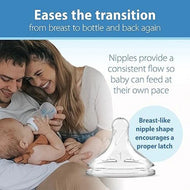
The shape and flexibility of the nipple are critical for "nipple confusion" prevention. We focus on brands like Philips Avent that offer a wide range of flow rates, allowing parents to match the bottle's output to the baby's developing swallowing capability.
Frequently Asked Questions
Q: How do I know which nipple flow rate to use?
A: Scenario: If the baby is choking or milk drips from the mouth.
Recommendation: Switch to a slower flow nipple immediately.
Reason: A flow that is too fast can overwhelm the infant; conversely, if they get frustrated or fall asleep eating, a faster flow may be needed.
Q: Why are square-shaped bottles popular?
A: Scenario: If stacking storage and grip are priorities.
Recommendation: Square designs like Hegen are ergonomically superior.
Reason: They stack efficiently in freezers or bags and are easier for small hands to hold independently compared to round cylinders.